

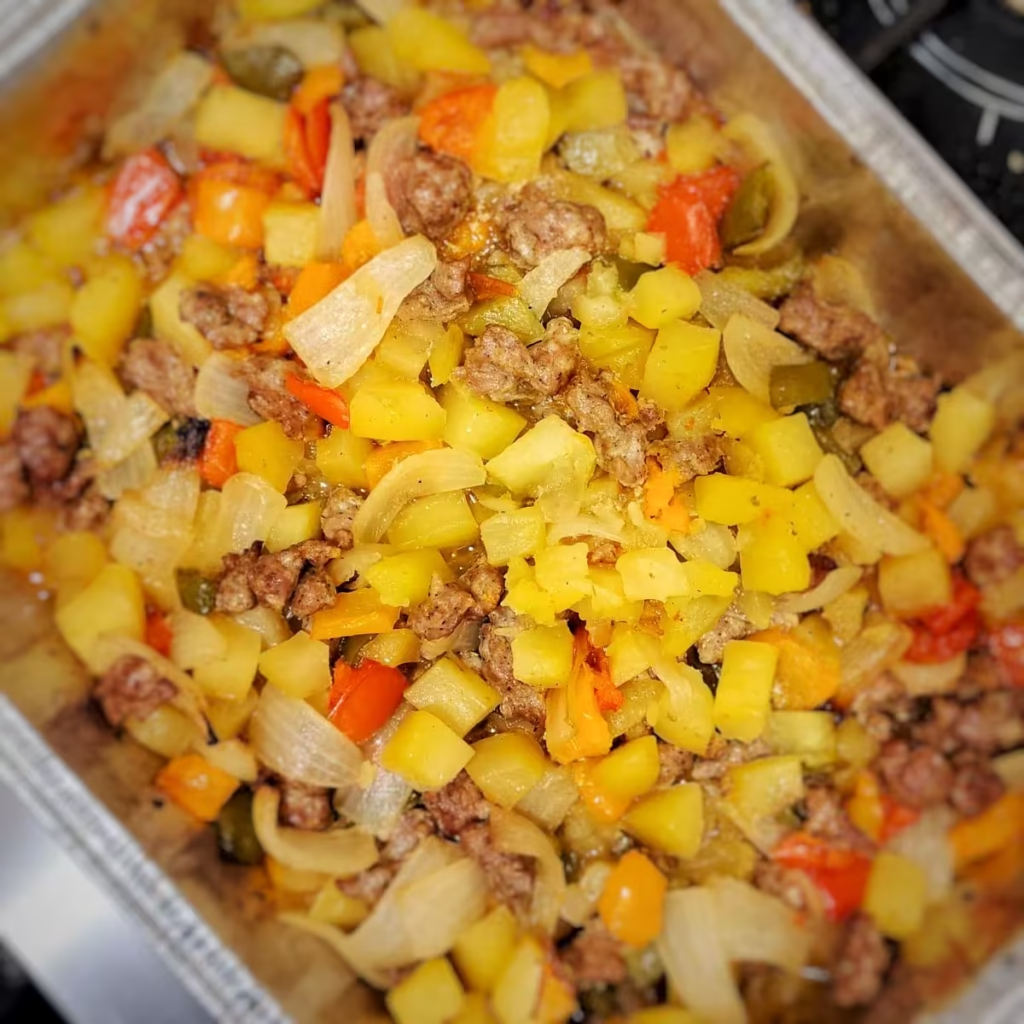

The Easiest, Most Delicious Meal You’ve Never Heard Of
This is an old Murphy family recipe that my mom used to make all the time. You’re probably wondering what P.O.P.S. stands for. Mom called it Peppers, Onions, Potatoes and Sausage Casserole, but that was way too long and kind of boring for everyday use. In our house, it became known as P.O.P.S.
Like I said, this is a dish from my childhood that I love and think of fondly. When I made it for myself the first time, though, I was mildly disappointed. It wasn’t because it was bad. It was because I’d gotten older, learned to cook and my palate had changed.
I’d grown used to more flavor being built directly into a dish, with ingredients that complement and play off each other. I’ll always look back fondly on Mom’s basic version, but I couldn’t stop myself from modifying the recipe just a little bit.
I kept the peppers, onions, potatoes and sausage that made the original so comforting. Then I added garlic, butter, salt, pepper, a little brown sugar and just enough Scotch bonnet pepper to bring everything to life.
I’ll take a moment here to pat myself on the back because this recipe is SO EASY yet SO DELICIOUS! It’s the perfect meal for a cold night when you need something easy and stress free to make. It’ll warm your belly and fill the house with the smell of sausage, peppers, onions and garlic roasting together.
What I Changed From Mom’s Original Recipe
Mom’s recipe was exactly what the name implies. Throw some peppers, onions, potatoes and sausage into a casserole pan, then bake everything until the potatoes are soft.
You really can’t go wrong with those ingredients. It was good just like that, but I didn’t think it was GREAT. I always found myself loading my serving with salt and pepper because most of the flavor came from the sausage.
The first thing I did was season the entire dish with salt and pepper. Then I added fresh garlic, salted butter, a tiny amount of Scotch bonnet pepper and a little brown sugar.
Now we’re getting somewhere!
The garlic and butter add richness, while the salt and pepper bring the vegetables to life. The Scotch bonnet pepper and brown sugar play off each other to create a warm sweetness that keeps you going back for another bite.

Recipe Road: Stop #2
Learning Consistent Knife Cuts with a One-Pan Casserole
This recipe is the second stepping stone in our Recipe Road series. It’s designed to help anyone learn to cook and become more confident in the kitchen.
P.O.P.S. Casserole only requires basic equipment and beginner-level skills. It’ll help you practice using a chef’s knife, prepare several different ingredients and become more comfortable cooking an entire meal in the oven.
Gather Your Equipment Before You Begin
For this recipe, you’ll need a deep casserole or lasagna pan, preferably about 13 1/4 by 9 5/8 by 2 3/4 inches. You’ll also need a cutting board, an 8-inch chef’s knife, a piece of parchment paper and aluminum foil.
If your casserole dish isn’t deep enough to mix everything comfortably, combine the ingredients in a large bowl before transferring them to the dish.
If you don’t have a chef’s knife, this is the one I recommend:
Tramontina Pro-Series 8-inch Kitchen Chef’s Knife
It’s an affordable knife that works well for everyday use. I have two of them in my kitchen. They sharpen easily, hold an edge well and have a durable plastic handle. If one gets beaten up through regular use, it wasn’t an expensive knife to replace.
Why the Size of Every Ingredient Matters
The instructions below explain how large to cut each vegetable. Believe it or not, this is the most important part of the entire recipe.
Everything cooks together in one pan, but every ingredient cooks at a different rate. If you cut something too small, it may become overcooked. If you cut it too large, it may still be firm when everything else is ready.
Onions cook faster than peppers. Peppers cook faster than sausage, and potatoes take the longest. We can compensate for those differences by cutting the onions into the largest pieces, followed by the peppers, sausage and potatoes.
Use This Cutting Guide
Cut the onions into pieces about 1 inch wide. Cut the bell peppers and sausage into pieces about 3/4 inch wide. Cut the potatoes into 1/2-inch cubes.
If you don’t have a ruler handy, 1/2 inch is about the width of a AA battery. Three-quarters of an inch is approximately the diameter of a US penny, and 1 inch is approximately the diameter of a US quarter.
Key Idea: Size Matters
Cutting every ingredient to the proper size helps everything finish cooking at approximately the same time. Consistent knife cuts are especially important when ingredients with different cooking times share the same pan.
Tips for Making P.O.P.S. Casserole
- Read the complete recipe and gather everything you’ll need before you begin.
- Pay close attention to the ingredient sizes in the instructions.
- Cut the potatoes after the other vegetables so they spend less time exposed to the air.
- Use a casserole pan that’s at least 2 3/4 inches deep. If your dish is shallower, mix everything in a large bowl first.
- Wear gloves when cutting the Scotch bonnet pepper, and don’t touch your eyes or face.
- Check the potatoes with a fork before uncovering the casserole. If they’re still firm, continue baking in 10-minute intervals.
- Stir the casserole halfway through the uncovered cooking time so more of the sausage and vegetables develop browned edges.
- Don’t be afraid to let it cook. If the potatoes aren’t soft, put it back in the oven and check again in 10 minutes.
I hope you and your loved ones enjoy this meal as much as my family and I do. It makes me happy to pass along a little bit of Murphy family tradition.
Description
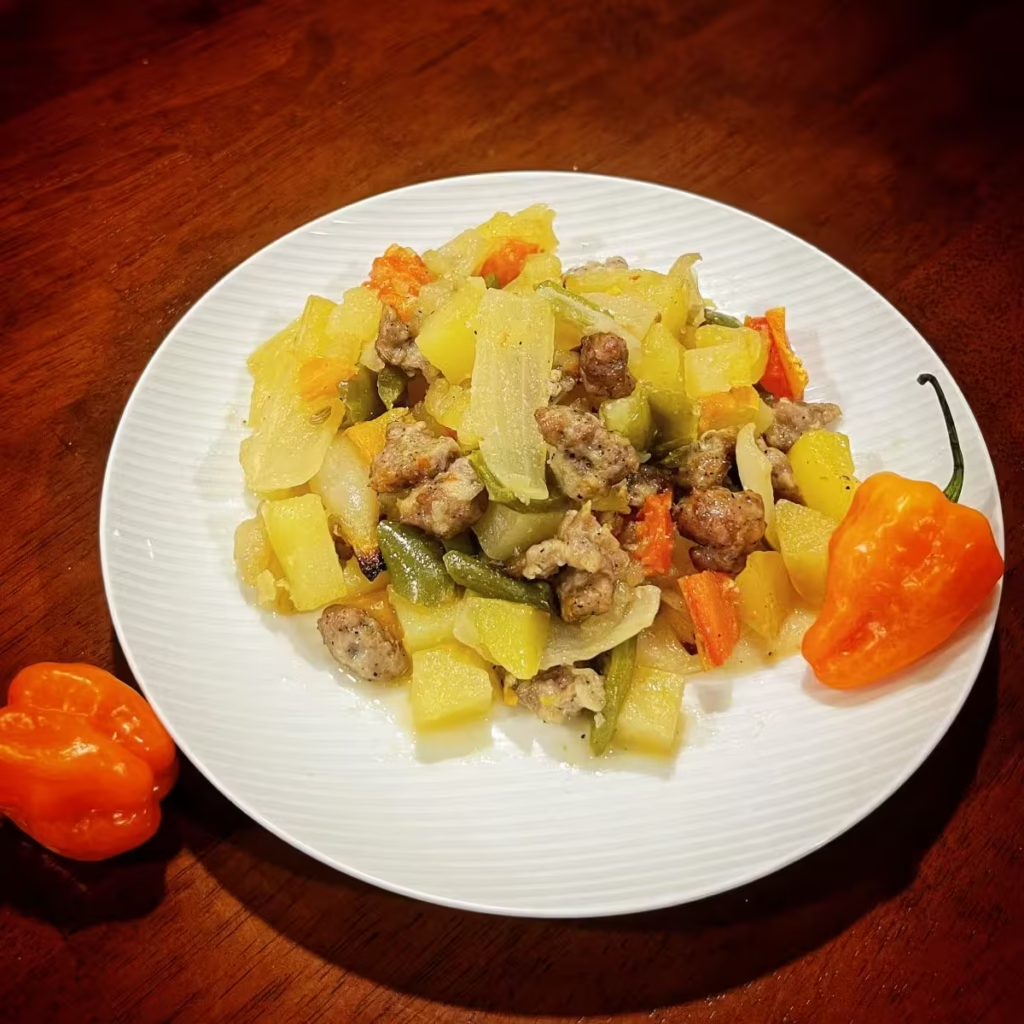
Tender potatoes, colorful bell peppers, onions and sweet Italian sausage bake together with garlic, butter, brown sugar and a touch of Scotch bonnet pepper in this comforting one-pan family dinner.
Full Ingredients
Instructions
Prep Instructions
-
Prep the Peppers
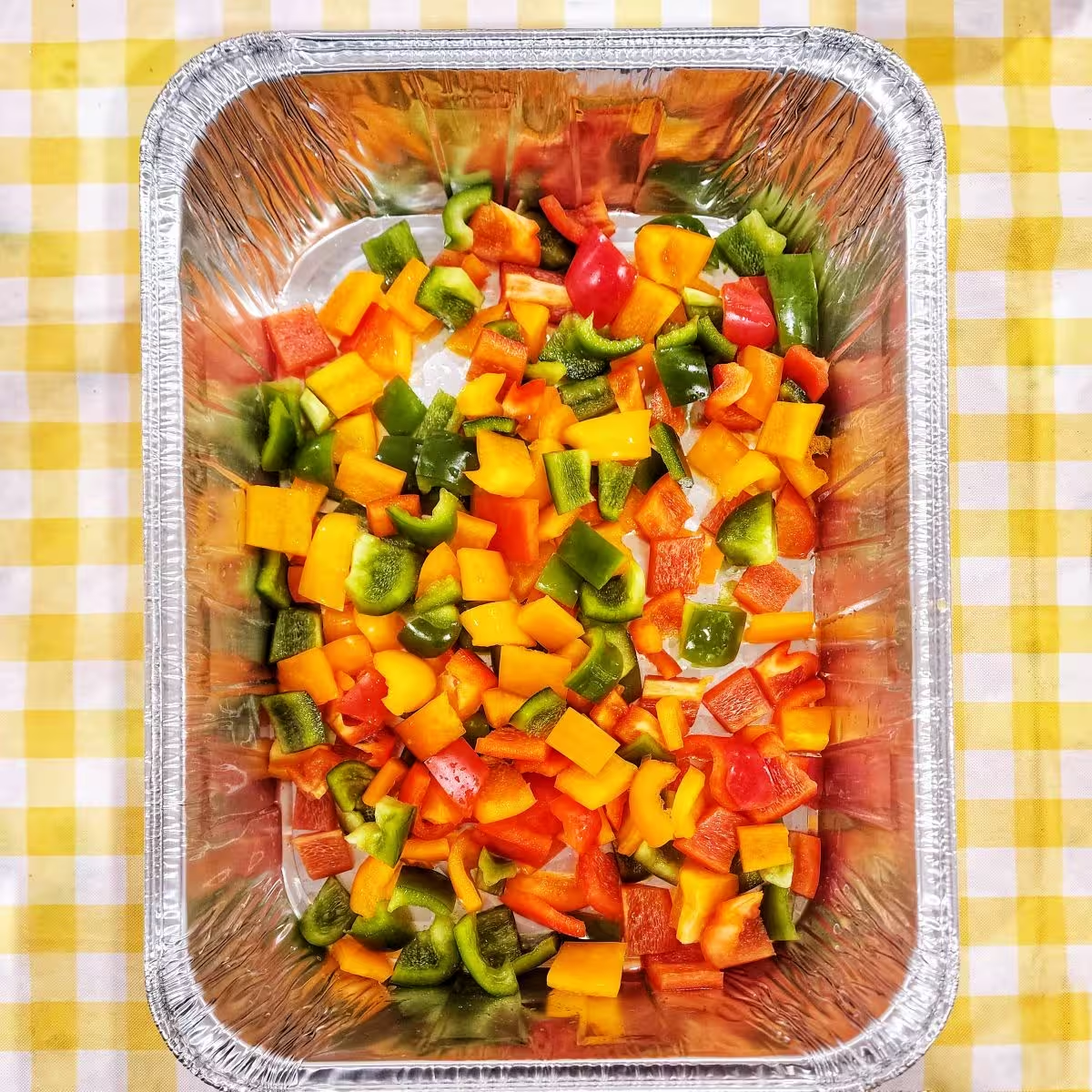
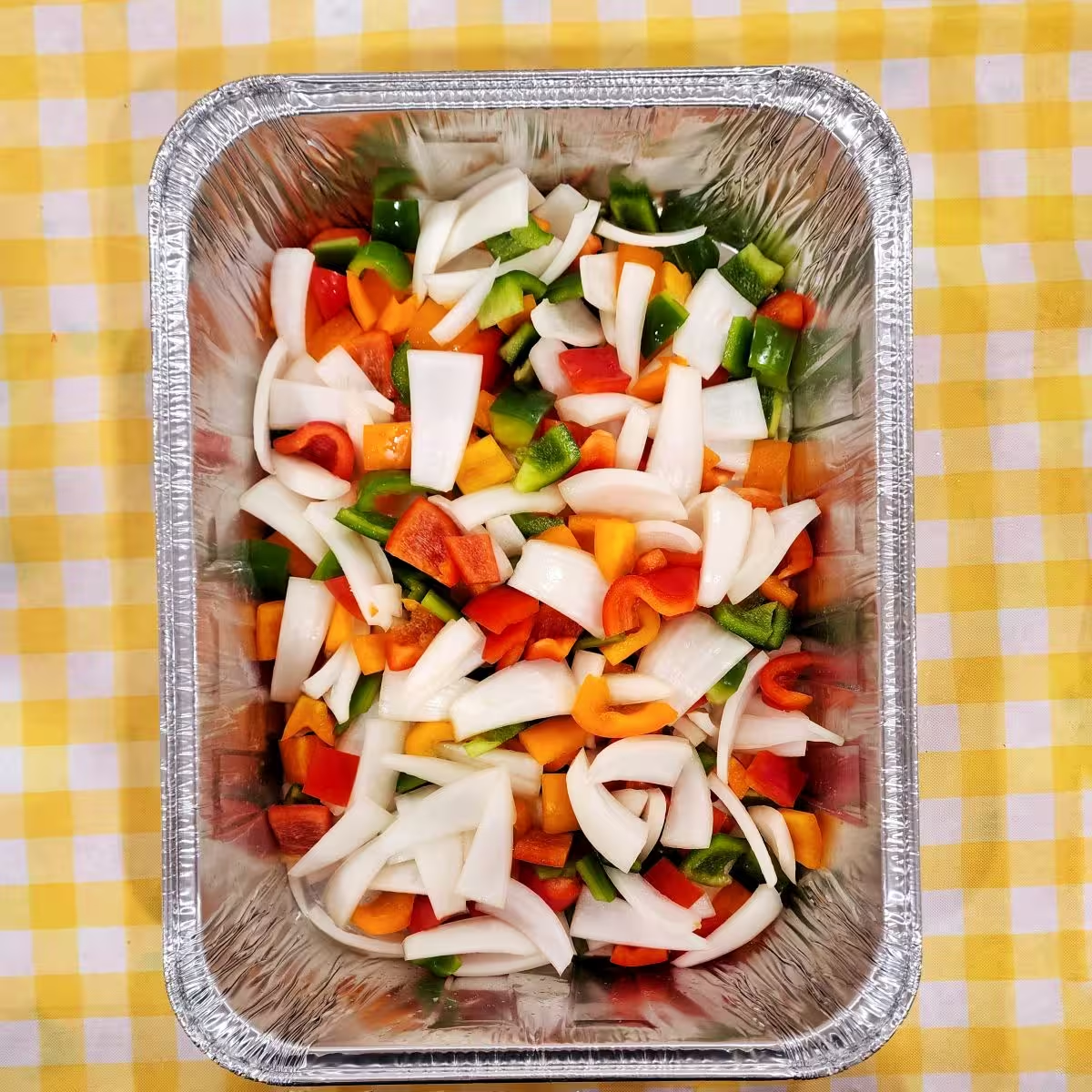
Wash the peppers under cool running water. Stand each pepper upright on the cutting board and cut it into four sections around the stem. Remove the stem, seeds and white membranes.
Cut each section lengthwise into strips about 3/4 inch wide. Cut across the strips to make pieces about 3/4 inch wide. Add the peppers to the casserole pan.
-
Prep the Onions
Trim both ends from the onion, then stand it upright and cut it into quarters. Peel away the dry outer skin.
Cut each quarter into pieces approximately 1 inch wide. Add the onions to the casserole pan and separate the layers with your hands.
-
Prep the Potatoes
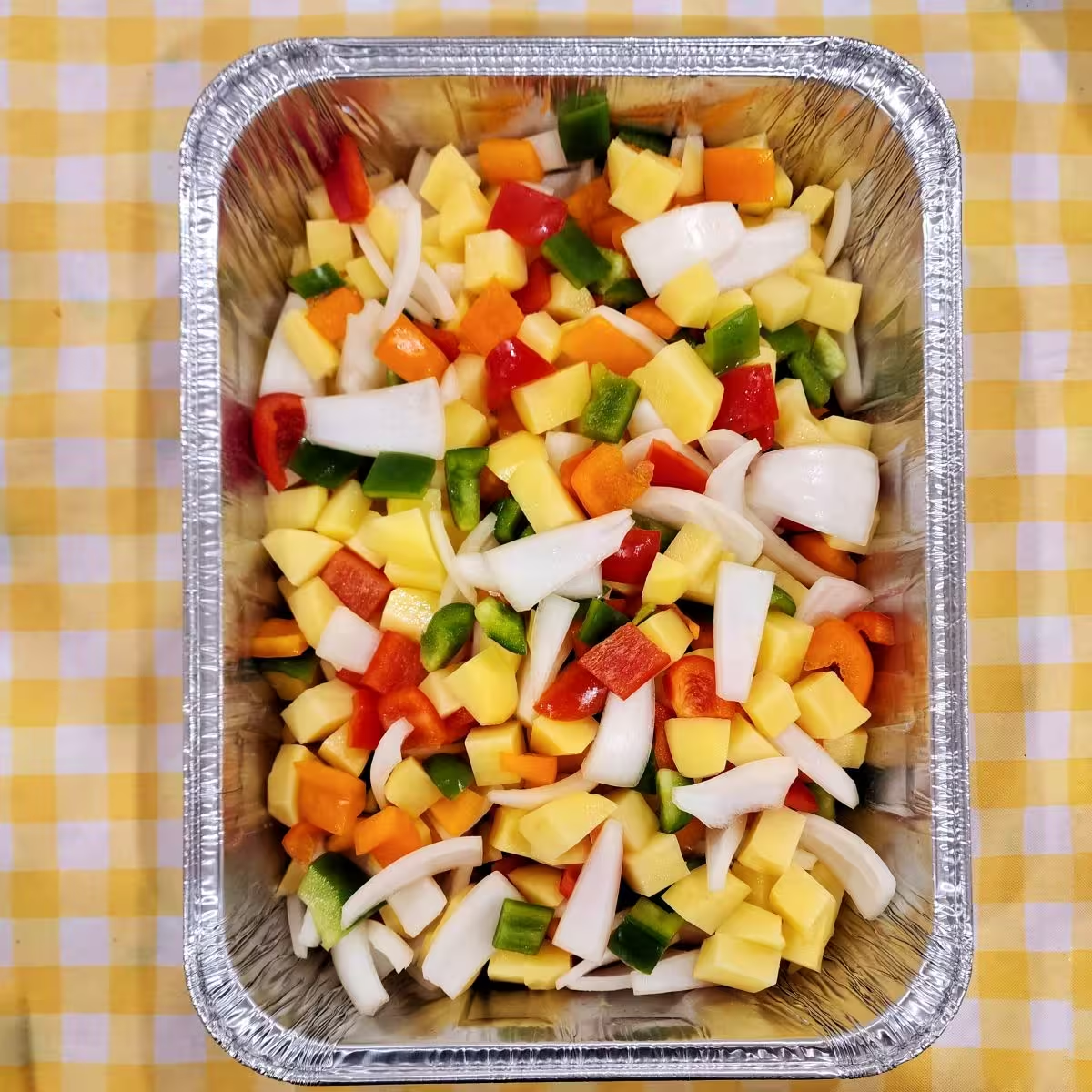
Wash and peel the potatoes. Cut them lengthwise into 1/2-inch slices, then cut those slices into 1/2-inch strips. Cut across the strips to create 1/2-inch cubes.
Add the potatoes to the casserole pan and mix them with the peppers and onions.
-
Prep the Sausage
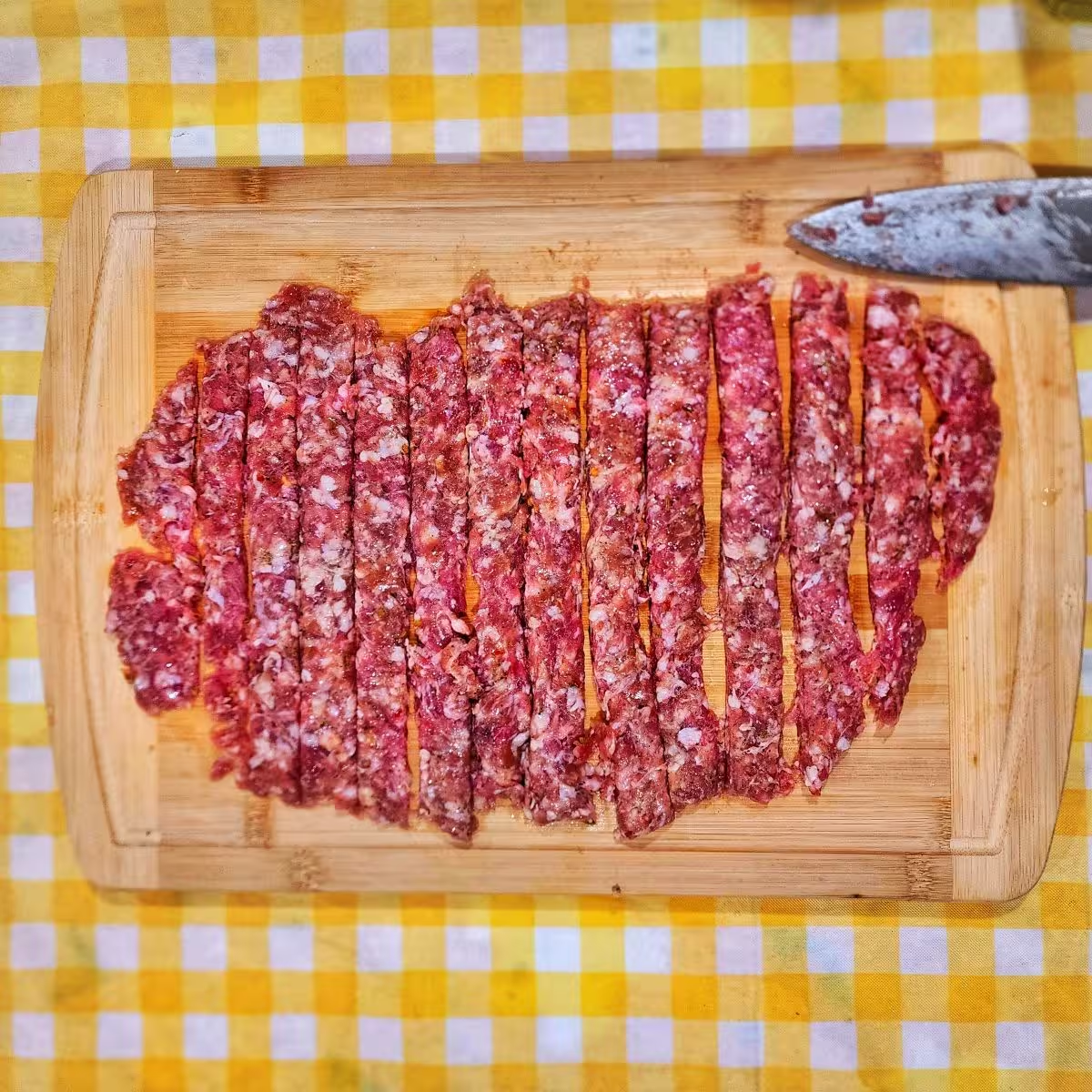
If you're using sausage links, slice each casing lengthwise and remove the sausage.
Place the sausage on a lightly oiled piece of parchment paper. Cover it with a second piece of parchment and press it into an even layer about 1/4 inch thick.
Cut the flattened sausage into strips about 3/4 inch wide. Pinch off pieces about 3/4 inch long and add them to the casserole pan.
Add 2 tablespoons of cooking oil and mix everything thoroughly. Add a little more oil if the ingredients begin sticking together. Wash your hands and clean any surfaces that touched the raw sausage.
-
Prep the Garlic
Trim the ends from each garlic clove and peel away the skin. Lay the side of your chef's knife over one clove at a time and carefully press down with the heel of your hand.
Finely chop the crushed garlic. Spread it evenly around the casserole pan, then mix it into the other ingredients.
-
Prep the Scotch Bonnet Pepper
Scotch bonnet peppers can be very hot. Wear gloves if you have them, and don't touch your eyes or face while handling the pepper.
Lay the pepper on its side and cut four or five extremely thin slices from the end opposite the stem. Finely mince those slices and add them to the casserole pan.
For the original heat level, cut open the remaining pepper, remove five seeds and add them to the dish. For less heat, leave out the seeds.
-
Add the Finishing Touches
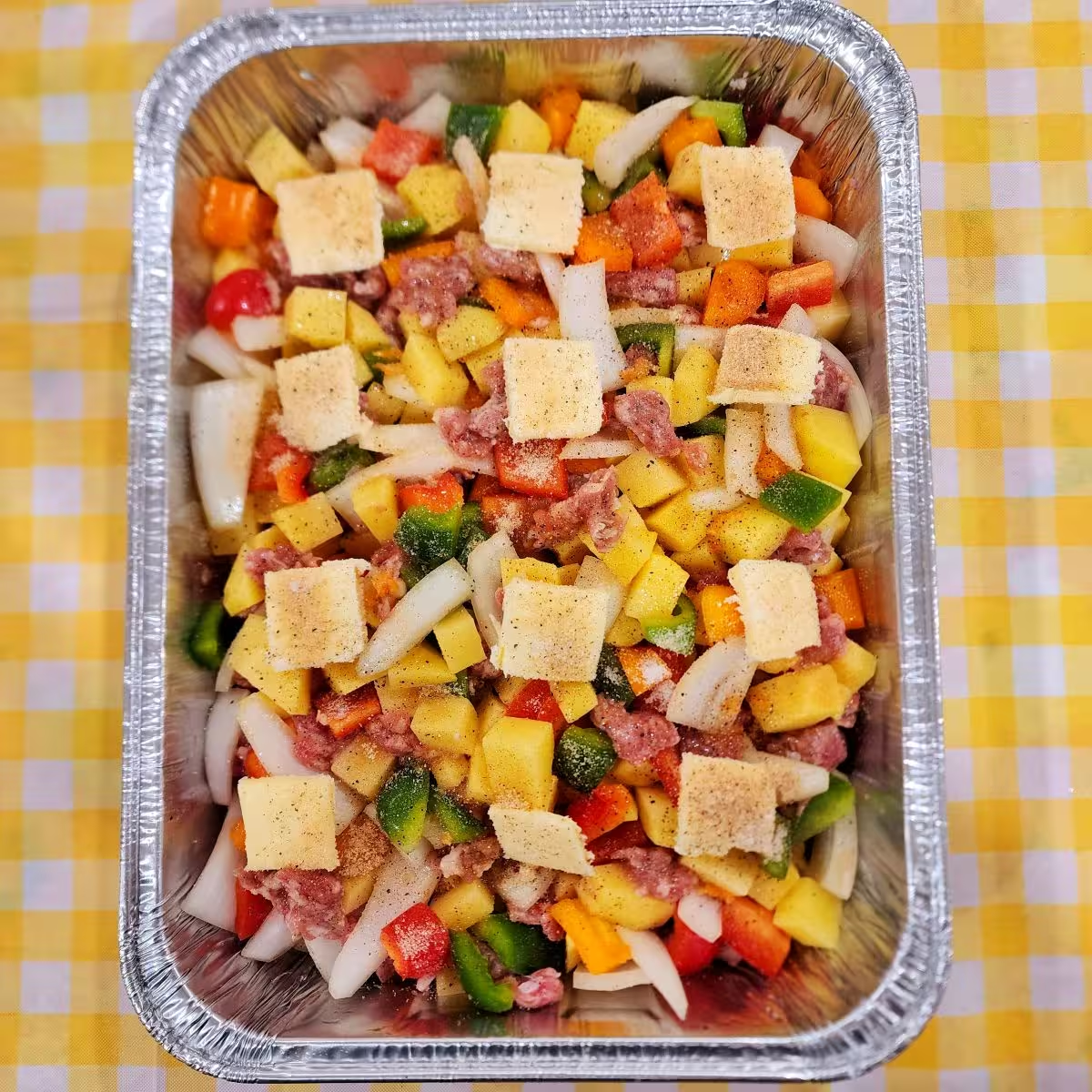
Add the salt and pepper, then mix everything together one final time.
Cut the butter into slices and distribute them across the top of the casserole. Sprinkle the brown sugar evenly over everything.
Cooking Instructions
-
Preheat the Oven
Position an oven rack in the center and preheat the oven to 375°F.
Cover the casserole dish tightly with aluminum foil.
-
Bake the Casserole
Bake the covered casserole for 30 minutes. Remove it from the oven and test several potato pieces with a fork.
If the potatoes are still firm, cover the dish again and continue baking in 10-minute intervals until they're tender.
Once the potatoes are tender, increase the oven temperature to 400°F. Return the casserole to the oven uncovered and bake for 20 minutes. Stir after the first 10 minutes so the browned pieces from the top are redistributed throughout the dish.
Continue baking in 10-minute intervals if you'd like more browning, checking and stirring each time.
-
Serve
Serve generous scoops while the casserole is hot. Taste before adding more salt and pepper.
Congratulations! You've completed Recipe Road: Stop #2. Let us know how it turned out in the comments. Your feedback helps us make Recipe Road more useful for everyone.
Equipment

Affiliate Disclosure: This post contains Amazon affiliate links, i.e., when you buy any product using the links below, we get commissions. but it doesn’t cost you anything extra. If you do purchase any product using the given links, we thank you in advance!
Nutrition Facts
Servings 4
- Amount Per Serving
- Calories 868.68kcal
- % Daily Value *
- Total Fat 54.6g84%
- Saturated Fat 20.74g104%
- Cholesterol 116.71mg39%
- Sodium 2108.77mg88%
- Potassium 1889.93mg54%
- Total Carbohydrate 72.73g25%
- Dietary Fiber 9.11g37%
- Sugars 12.73g
- Protein 24.18g49%
- Vitamin A 1489.65 IU
- Vitamin C 188.36 mg
- Calcium 91.46 mg
- Iron 4.44 mg
- Vitamin E 2.2 mg
- Vitamin K 17.04 mcg
- Thiamin 0.96 mg
- Riboflavin 0.35 mg
- Niacin 7.86 mg
- Vitamin B6 1.57 mg
- Folate 91.06 mcg
- Vitamin B12 1.06 mcg
- Pantothenic Acid 1.79 mg
- Phosphorus 382.09 mg
- Magnesium 105.36 mg
- Zinc 3.23 mg
- Selenium 30.03 mcg
- Copper 0.53 mg
- Manganese 0.82 mg
* Percent Daily Values are based on a 2,000 calorie diet. Your daily value may be higher or lower depending on your calorie needs.
